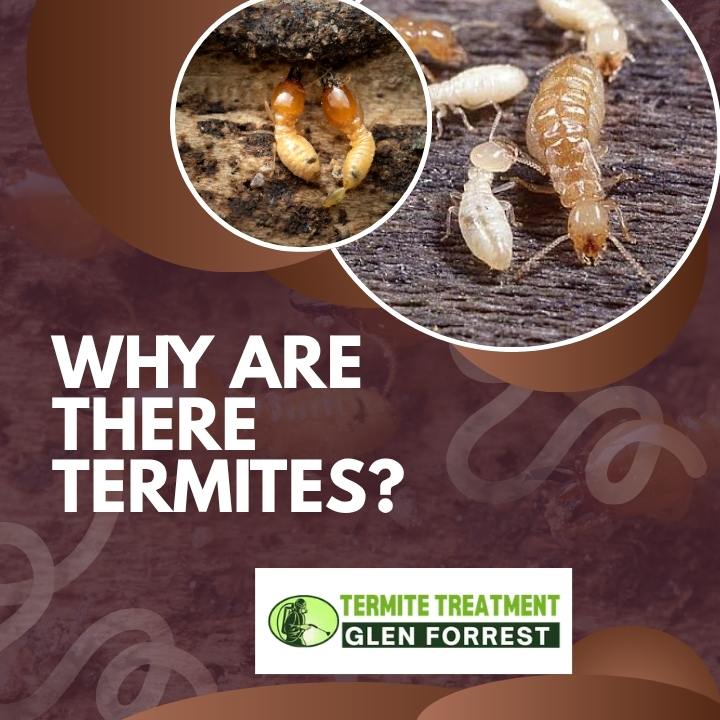
Why Are There Termites in Your House? Common Causes
Finding termites in your home can be stressful. These tiny pests work quietly and often stay hidden until they have caused serious damage. Many homeowners wonder why termites choose their property and how they can stop them from coming back.
The truth is that termites look for food, moisture, and shelter. If your home provides these conditions, termites may move in without warning. Learning the common causes of termite infestations can help you protect your property before costly damage occurs.
Why Do Termites Enter Homes?
They Are Looking for Food
Termites feed on cellulose, a natural material found in wood, paper, cardboard, and some plants. Homes with timber frames, wooden flooring, fences, decks, pergolas, or stored firewood provide an excellent food source.
Even small pieces of timber left around your yard can attract termites.
Moisture Attracts Termites
Moisture is one of the biggest reasons termites invade homes. Leaking pipes, blocked gutters, damaged roofs, and poor drainage create damp conditions that termites love.
Bathrooms, kitchens, laundry rooms, and outdoor taps are common areas where moisture builds up. Fixing leaks quickly can reduce the risk of an infestation.
Common Causes of Termites in Your House
Timber Touching the Soil
When timber comes into direct contact with the ground, termites have an easy path into your home. Fence posts, decking, pergolas, garden sleepers, and structural timber should stay clear of direct soil contact whenever possible.
Creating a barrier between timber and soil makes it harder for termites to enter.
Firewood Stored Too Close
Many homeowners store firewood against the house for convenience. Unfortunately, this creates the perfect hiding place for termites.
Keep firewood stacked off the ground and well away from your home's walls to lower the risk.
Poor Ventilation
Poor airflow under floors, inside roof spaces, or in subfloors allows moisture to build up. Damp timber becomes more attractive to termites.
Good ventilation helps keep these areas dry and reduces termite activity.
Cracks in Foundations and Walls
Termites only need tiny openings to enter a property. Small cracks in concrete slabs, brickwork, or foundations can become hidden entry points.
Regularly inspect your home's exterior and repair cracks before they become larger problems.
Signs That Termites May Already Be Inside
Hollow-Sounding Timber
Tap timber around your home. If it sounds hollow instead of solid, termites may have eaten the inside while leaving the surface intact.
Mud Tubes
Subterranean termites build narrow mud tubes to travel safely between their nest and food sources. Look for these tubes on walls, foundations, retaining walls, fences, and under your home.
Tight Doors and Windows
Termite damage can cause timber to swell. If doors or windows suddenly become difficult to open or close, hidden termite activity may be the cause.
Bubbling Paint or Sagging Floors
Paint that bubbles without water leaks or timber floors that begin to sag may indicate termite damage beneath the surface.
How to Prevent Termites
Schedule Regular Termite Inspections
Professional termite inspections help detect problems before they become serious. Many experts recommend an inspection at least once every year, especially in areas where termites remain active.
Early detection saves money and protects your home's structure.
Reduce Moisture Around Your Home
Repair leaking pipes, overflowing gutters, damaged roofs, and poor drainage. Dry conditions make your property less attractive to termites.
Keep Your Yard Clean
Remove dead trees, old stumps, timber scraps, cardboard boxes, and garden waste. These materials provide food and shelter for termites.
A tidy yard reduces hiding places and lowers the chance of an infestation.
Protect Outdoor Timber
Use treated timber for outdoor projects whenever possible. Regular maintenance also helps extend the life of timber structures and reduces termite risk.
Why Professional Help Is Important
Termites often stay hidden inside walls, ceilings, and under floors. By the time visible damage appears, the colony may have been active for months or even years.
Professional pest control technicians use specialised equipment to locate termite activity, assess damage, and recommend the most effective treatment. They can also identify conditions that make your property vulnerable and help prevent future infestations.
Conclusion
Termites enter homes because they find food, moisture, and easy access. Simple maintenance, regular inspections, and quick repairs can greatly reduce the risk of a costly infestation. The earlier you detect termites, the easier it is to protect your home and avoid expensive structural damage.
If you need trusted termite and pest control services, Global Termite Treatment Glen Forrest offers professional termite inspections, termite treatments, and complete pest control services throughout Glen Forrest and surrounding areas.
Contact: (08) 6275 6525
Website: https://globaltermitetreatment.com.au/
