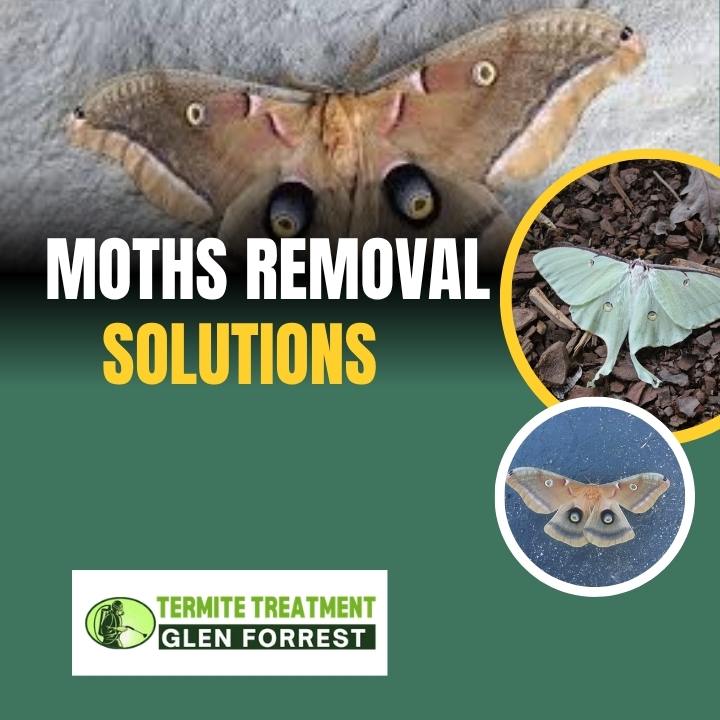
Moth Removal Solutions for Clothes and Fabric Safety
Protect closets, carpets, blankets, wool clothing, and stored fabrics from hidden moth damage with effective removal solutions. A clothes moth infestation is typically more problematic when fabrics are left unwashed, damp, or undisturbed for extended periods.
With proper pest treatment, routine cleaning, and inspecting storage, you can help reduce moth activity in homes. It simplifies things a bit if the homeowner knows where moths hide and how they attack clothes when it comes time for fabric protection.
Check Fabric Damage
Most of the time, fabric damage is one of the very first indications that there is a moth issue. Active moths can prick holes in clothes or carpets, revealing thinning patches
It is always the larvae of clothes moths that cause damage to fabrics, and never the adult moths. Larvae consume wool fur, feathers and other animal-based resources.
Clean Stored Clothes
Clothes that are to be kept in wardrobes/boxes/garment bags during the warmer seasons should always be cleaned before going into storage. Fabric pests may also be drawn to fabrics soiled with human sweat, food stains and body oils or moisture.
Washable clothes will need to be laundered properly before putting them into storage. Dry cleaning is also effective for killing clothes moth stages on the fabrics of affected items and should be done when necessary for delicate wool, silk, fur, and special fabrics.
Vacuum Wardrobes
Vacuum carefully in between the drawers and shelves of wardrobes, bookcases, along carpet edges and storage corners. Moth eggs and larvae lurk in dust, lint, hair, pet fur and fabric fibres.
Vacuuming should include cracks, baseboards, carpet edges, under the furniture and in the corners of closets. Vacuum thoroughly, including floors, shelves, drawers, rugs and carpets, draperies and cushions, as well as corners and high, hard-to-reach areas.
Use Airtight Storage
The last thing you want to do is keep clean clothes adjacent to new moth activity; therefore, make sure they are stored in an airtight manner. Plastic bags and sealed storage boxes protect wool and off-season clothing better than open shelves.
Everything stored should be clean and totally dry. Wash or dry-clean any affected clothes, blankets, and tapestries before sealing them in airtight containers or bags.
Reduce Indoor Humidity
Clothes moth development is less favourable in dry indoor low-humidity storage areas. Pests can also thrive in moist wardrobes, closed rooms and poorly ventilated storage spaces.
Improve airflow, fix moisture issues, and avoid storing clothes in damp rooms. Lower humidity is not good for clothes moth development.
Inspect Wool Items
Regular inspections of wool clothing, blankets, rugs and animal-fibre fabrics are necessary. Moths prefer natural fibres, while synthetics are usually unaffected, especially when stored for months. Homeowners should shake out wool items, brush them, air-dry them, and inspect them regularly during storage. Catching the little moth problems with an early inspection prevents them from expanding throughout closets or carpets.
Freeze Small Items
If you cannot wash or dry-clean small fabric items, freezing can help treat them. Sealed bags may need to be used for small wool accessories, scarves, soft toys and/or fine cloth.
Avoid Overcrowded Closets
Over-stuffed closets are dark, stagnant areas with corners that moths can go into and never be seen. Storage in a tighter manner also means that you may not be able to inspect the garments properly and spot early fabric damage.
The garment must have enough room to breathe. Never simply leave seasonal items to rot in the corner of your garage; they must be checked, cleaned and rotated every couple of weeks.
Use Moth Traps
Use moth traps in wardrobes and storage rooms to monitor levels of activity inside. The traps are just a method to monitor for the presence of adult moths; they should not be relied upon as the only control option.
Your moth removal plan should cover cleaning, inspection, storage protection and specific treatment. Traps are most effective as a surveillance tool, following cleaning or treatment at the main source.
Treat Hidden Areas
Carpet edges, gaps in wardrobes, the base of furniture, stored boxes and fabric-lined storage areas are ideal hiding places for moths. If there are larvae buried deeper, surface cleaning will not work.
You can professionally treat those hard to get areas in a safe and accurate way. Inspect clothing, carpets and fabric items for moth activity → if severe or repeated call a pest control specialist.
FAQs
What causes moths in clothes
Moths in clothes usually come from stored fabrics, wool items, dirty clothing, carpet edges, or hidden larvae. Clothes with sweat, food stains, body oils, or moisture can attract fabric pests.
Do moths eat all types of fabric?
Clothes moth larvae mostly damage animal-based materials such as wool, fur, feathers, silk blends, and natural fibers. Synthetic fabrics are less attractive unless they contain sweat, food stains, or natural fibre blends.
How can I protect stored clothes from moths?
Stored clothes should be cleaned, dried, inspected, and placed in airtight containers. Wardrobes should also be vacuumed and checked regularly.
When should I call pest control for moths?
Pest control should be called when moth damage continues after cleaning, washing, vacuuming, and storage improvements. A professional inspection can find hidden larvae and recommend suitable treatment.
Pest Control Support
Global Termite Treatment Glen Forrest offers all pest control services in Glen Forrest and surrounding areas.
Contact us at (08) 6275 6525 or visit our website:
https://globaltermitetreatment.com.au/
